
Metal recycling is more than just an industrial process; it’s a crucial part of the global effort to reduce waste, conserve natural resources, and build a sustainable future. From aluminum cans to steel beams, the recycling of metals plays a pivotal role in the circular economy, turning what was once waste into valuable resources. In this blog, we’ll explore the significance of metal recycling, the processes involved, and how the industry is evolving to meet the challenges of tomorrow.
Environmental Impact:
Resource Conservation: Recycling metals reduces the need for mining and processing raw materials, conserving natural resources and reducing environmental degradation.
Energy Savings: Producing new metals from recycled materials requires significantly less energy compared to extracting and processing raw ores. For example, recycling aluminum saves up to 95% of the energy needed to produce it from raw materials.
Reduction of Greenhouse Gas Emissions: Metal recycling helps in reducing CO2 emissions, contributing to the fight against climate change.
Economic Benefits:
Job Creation: The metal recycling industry supports thousands of jobs worldwide, from collection and processing to manufacturing and distribution.
Cost Efficiency for Manufacturers: Recycled metals are often less expensive than virgin materials, allowing manufacturers to reduce costs and remain competitive.
Economic Value: Metals retain their value over time, making recycling a profitable venture. The global market for recycled metals is substantial and continues to grow.
Collection and Sorting:
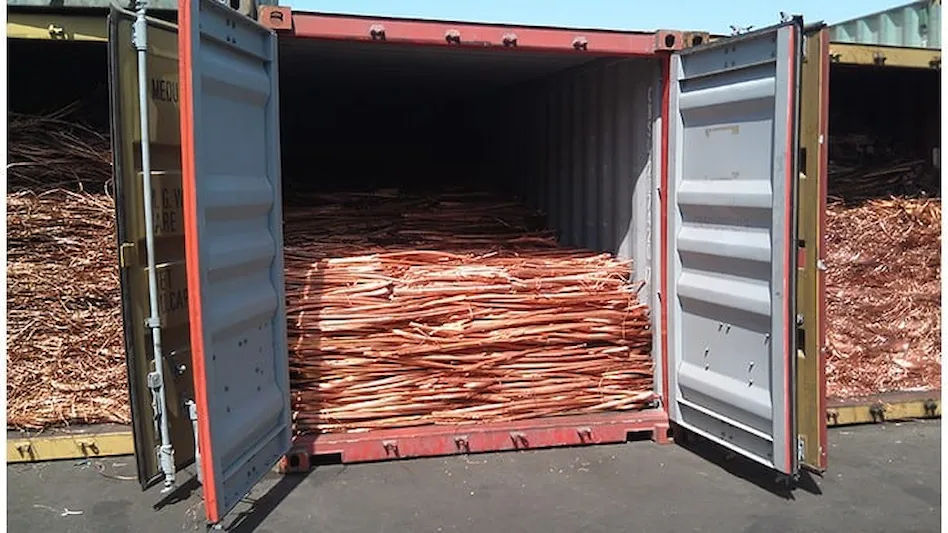
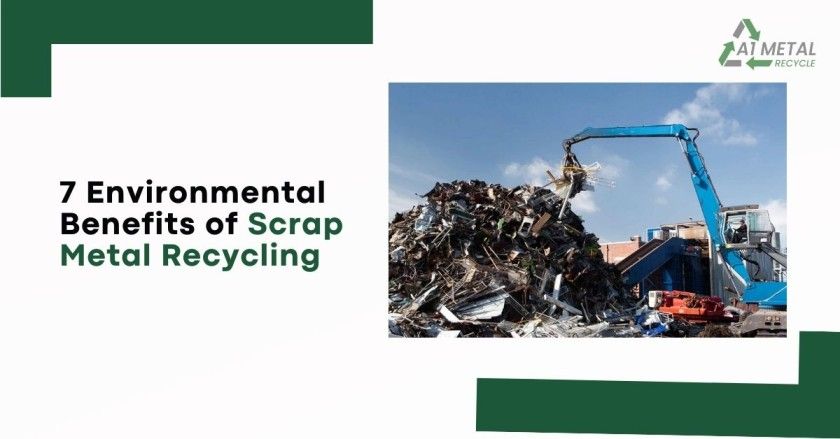
Scrap Collection: Metals are collected from various sources, including industrial waste, construction and demolition sites, and end-of-life products like vehicles and appliances.
Sorting and Separation: Once collected, metals are sorted by type and quality. Advanced technologies, such as magnetic separation and eddy current separation, are used to distinguish between ferrous and non-ferrous metals.
Processing and Shredding:
Shredding: Large pieces of metal are shredded into smaller fragments to facilitate further processing. Shredding increases the surface area of the metals, making them easier to melt.
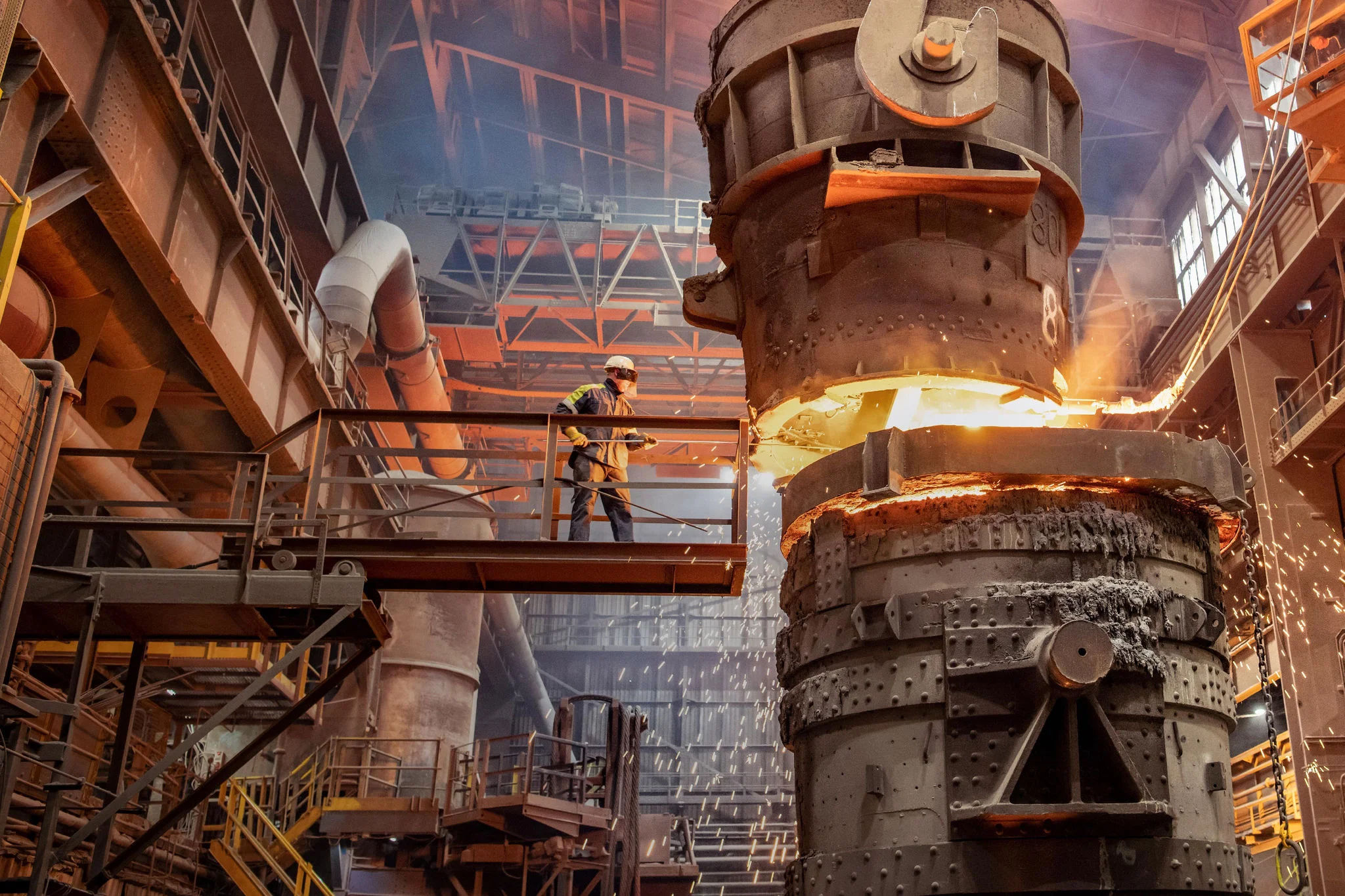
Melting: The shredded metals are melted in large furnaces. Different metals require different temperatures and processes. The energy required is far less than that needed to produce new metals from ore.
Purification: Impurities are removed from the molten metal to ensure it meets quality standards. Techniques such as electrolysis or the use of chemical additives are employed during this stage.
Solidifying and Forming:
Casting: The purified metal is poured into molds to form ingots, bars, or other shapes that can be easily transported and used in manufacturing.
Transport and Use: These recycled metal products are then sold to manufacturers to be used in creating new products, from cars to electronics.
Contamination Issues:
Mixed Materials: Contaminants like plastics, rubber, or other non-metallic materials can lower the quality of recycled metals and complicate the recycling process.
Proper Sorting: Ensuring metals are properly sorted is critical for maintaining the integrity of the recycled materials. Advanced sorting technologies are essential but can be expensive.
Economic Fluctuations:
Market Volatility: The value of scrap metals can fluctuate due to changes in global demand, trade policies, and economic conditions. This volatility can impact the profitability of recycling operations.
Competition with Virgin Materials: In some cases, low prices of raw materials can make recycling less attractive economically, leading to reduced recycling rates.
Environmental and Health Concerns:
Emissions from Processing: The recycling process itself can generate emissions, particularly during the melting stage. Addressing these environmental impacts is essential for making recycling truly sustainable.
Worker Safety: The recycling industry must also address health and safety concerns, ensuring workers are protected from exposure to hazardous materials and dangerous machinery.
Technological Advancements:
AI and Robotics in Sorting: Artificial intelligence and robotics are being increasingly used to improve the accuracy and efficiency of sorting metals, reducing contamination and increasing recovery rates.
Chemical Recycling: New chemical processes are being developed to recycle metals that are difficult to separate using traditional methods, such as mixed metal alloys or electronic waste.
Sustainable Practices:
Closed-Loop Recycling: Industries are moving towards closed-loop recycling systems, where products are designed with their end-of-life in mind, ensuring that metals can be easily recycled back into the same product.
Eco-Friendly Processes: Research is ongoing into developing more environmentally friendly recycling processes, including reducing energy consumption and emissions during metal processing.
Policy and Regulation:
Extended Producer Responsibility (EPR): Governments are implementing policies that make manufacturers responsible for the entire lifecycle of their products, including recycling. This is pushing industries to design products that are easier to recycle.
Global Cooperation: International agreements and collaborations are essential to address the challenges of metal recycling on a global scale, particularly in managing transboundary waste shipments and ensuring ethical recycling practices.
Metal recycling is a vital part of the global effort to create a more sustainable future. By conserving resources, saving energy, and reducing emissions, the industry is helping to mitigate the environmental impact of modern manufacturing. However, challenges remain, and continued innovation, investment, and regulation are crucial to overcoming these hurdles. As the world moves towards a circular economy, metal recycling will play an increasingly important role in shaping a greener, more sustainable planet.
April 10, 2023
March 30, 2023

We are committed to providing exceptional services in metal recycling, fabrication, and waste management. With a focus on sustainability and efficiency, we transform waste into valuable resources and deliver high-quality products.
Sunday Hub, 401, Aamba Talavadi, Gayatri Nagar, Katargam, Surat, Gujarat 395004
+91 889 680 1212
hr@al-rasavi.com
Comments (2)
Yashdeep PandeyJuly 25, 2020
Metal recycling is such a crucial part of sustainability, but it's clear that there are still many hurdles to overcome. Improving sorting technology could make a big difference!
Suryansh SinghDecember 09, 2019
The fluctuations in metal prices can really impact the effectiveness of recycling programs. It would be great to see more stability and support for the recycling industry.